Pessimism and Palestine
This is an essay about radical hope.
Thomas Jefferson was a brilliant propagandist. I think we all know that. He is well known for using his skills to further the cause of liberalism, but he also would turn his rhetoric to justify the genocide of American Indians.
When justifying genocide, one rhetorical tactic he would use would be to discuss the eradication of the Indian way of life as a fait accompli. The Indian way of life was doomed, the only choice they had was to either assimilate or emigrate.
If the genocide is bound to happen anyway, then maybe history would judge the perpetrators less harshly. They were merely at the whims of the forces of history, they may be able to delay; but not to prevent. As that most quintessential of 19th century statesman, Otto von Bismarck, one said
The statesman’s job is to hear God’s footsteps marching through history, and grab onto his coattails.
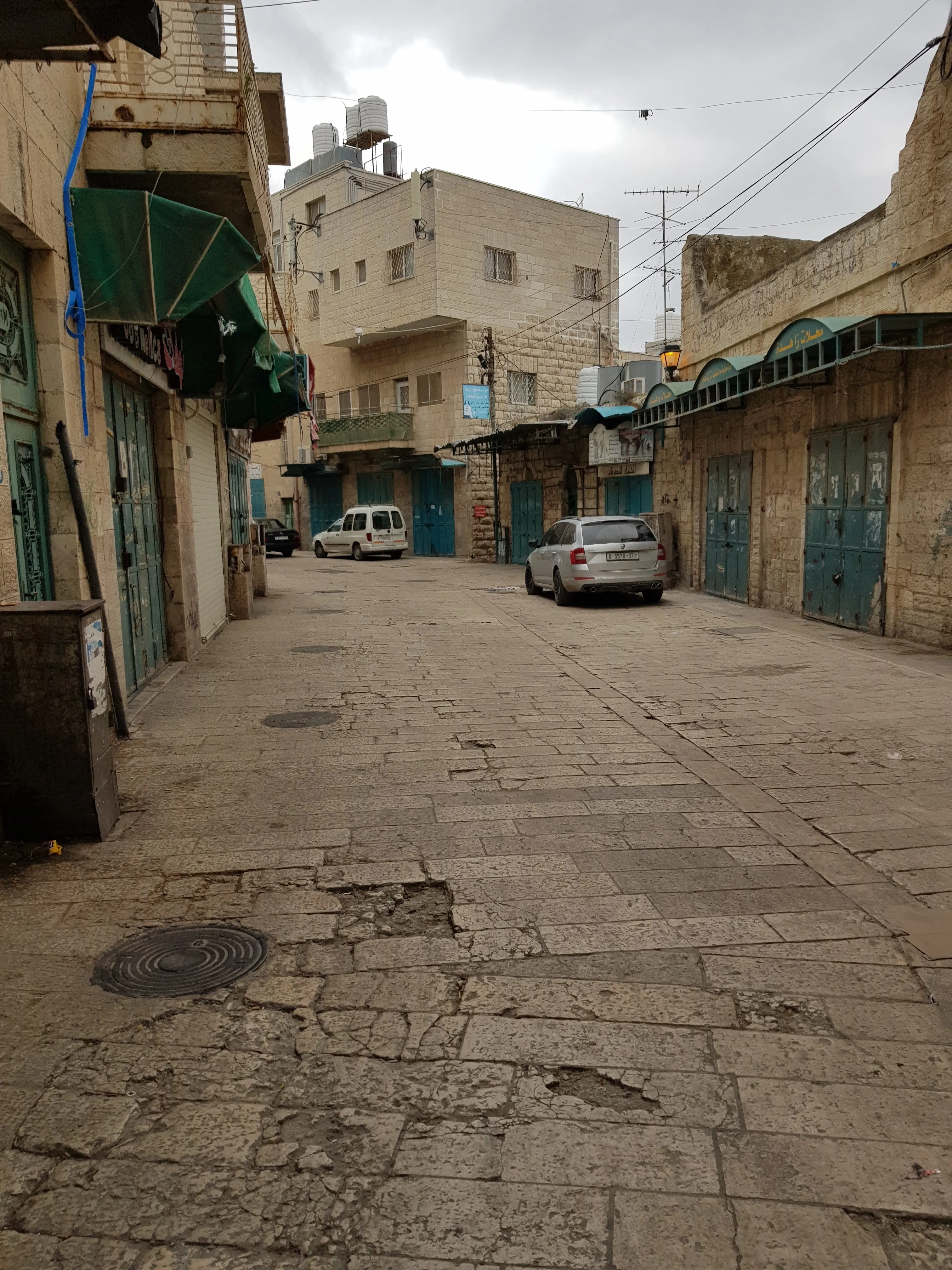
In 2020, I travelled around the Middle East with my partner. In one of the days, we visited Bethlehem in the West Bank. We didn’t stick to the tourist route and wandered aimlessly around the city. It was a Friday, and the city was eerily empty. There’s a KFC in Bethlehem. That surprised me. I didn’t go.
Sometimes, you can meet a stranger and share a moment worth treasuring. That happened in Bethlehem. But after, as we travelled to Jerusalem, we saw the dark reality of life in Palestine. Israeli soldiers boarded our coach to check travel documents. A British Indian man, probably 19, was sat opposite us, and couldn’t find his passport in his bag. He was fumbling around searching through his bag. The soldiers who were oh so affable to me a only few seconds before got hostile. Shouting. Pointing their guns. The young man was terrified. And kept fumbling The soldiers were getting angrier. Finally, after what felt like an age, the young man brought out a British passport. The soldiers instantly apologised, and warned him to keep his passport safe. I think I remember a soldier saying “sorry, we thought you were Palestinian”, but that may be my memory embellishing the story.
I spent a lot of time reflecting on that moment, and situation between Palestine and Israel more generally. Seeing the architecture of oppression makes suffering visceral. The walls, the checkpoints, the segregated roads. The infrastructure designed to divide. I started to believe that Palestine would cease to exist at some point in my lifetime. I saw it as an intractable problem, Israeli politics were too radicalised, and the state was too organised. This was when Netanyahu was barely clinging to power, with repeated elections in the same year. But while the opposition had the benefit of not being Netanyahu, they seemed to mirror his disdain for Palestine. I didn’t see a happy ending.
After October 7th, when the current iteration of the conflict began, I found it hard to muster energy for the Palestinian cause. While, for many, the horrors of the inciting event may have been the main driver of reticence, for me it was a sense of futility. It felt like a lost cause. If Palestine was a lost cause, all that could be done is to delay the inevitable.
Here, I fell into Jefferson’s trap. I took the genocide as a fait accompli. I took it as inevitable. And there’s nothing you can do to stop the inevitable.
I was wrong. Nothing is written. Things can be different. Entropy can decrease. Palestine can be free.
I believe in radical hope. I believe things can get better. I believe that the UK left will sort their shit out, and offer a credible alternative to the far right. I believe that there’s still a chance for US democracy. I believe that fascism has not yet won, and the very things that make it fascist prevent it from winning
But why didn’t I believe in Palestine?
When I was in Bethlehem, a Palestinian man who lived opposite the wall invited me to have tea with him. He showed me where he had written his name on the wall. He showed me where the rest of his family had. The wall is made of giant vertical slabs of concrete. He showed me, where due to subsistence, the concrete slabs were starting to come apart, allowing the sunlight to streak through. He showed me hope.
He showed me hope. He showed me humanity.
So why was I so pessimistic about Palestine? Why were my thoughts so passive? Palestine will not cease to exist. Someone might try to destroy it. Someone might orchestrate a genocide against its peoples. But it won’t just cease to exist. I forgot about the humanity.
The Palestine/Israel conflict has really been a constant all my political life. Politicians have come and gone. New ideas, new problems, new issues have all emerged, and been forgotten. But at every phase of my political development, the conflict has always been there. It’s been a issue I can understand through each new frame of reference I acquire. I remember learning about the history of the region from the first audiobook I ever listened to. I remember understanding the different ideas around solutions. I remember seeing it through different ideologies. I learnt how the construction of nation states plays into it. I learnt how you can understand the issue through geography and foreign policy realism.
But all these lofty ideas leave behind the humanity. At some point, I forgot it is real people. People like you and me. Complex people with hopes, dreams, gossip, drama. People who make dumb mistakes. People who are kind, loving, scared. People who are getting murdered.
I don’t know what a nation is. But I know is made of people. To destroy a nation requires you to destroy its people. All these high-minded ways of interpreting the conflict leave that behind. It leaves you moving pieces around on a chess board. Looking at a losing match and getting bored, deciding to go play another game elsewhere.
It allows me to be pessimistic. I have the privilege of being able to look away. It turns people’s lives into a spectator sport, something to passively have opinions on around polite company. To do analysis. To do commentary.
This is obviously reprehensible.
Pessimism is Permission. Palestine can be saved. But it starts with hope. Once we have hope, everything else can follow. We can take action. We can strike. We can spread our hope. And then, maybe, things can change.
The people committing this genocide want you to be hopeless. They want you to be disengaged. They want you to give up. If you let them have that small victory, you let them have the big victory.
Do not give up. All is not lost. It will never can be, while we still have hope.
I am choosing to have hope. You should too.